6B
Open-source 6B family
Official materials place Z-Image Turbo inside Tongyi-MAI’s open-source Z-Image family rather than treating it as a closed hosted black box.
Nano Banana 2 Lite is live on VibeArt for fast 1K creative branching, editing, and multi-reference composition. View live pricing and examples
Fast image generation, bilingual text, and production-friendly iteration
Learn what Z-Image Turbo is, where it performs well, and why it is useful inside a compare-first VibeArt workflow.
6B
Open-source 6B family
8 NFEs
8-step speed path
Bi-text
Bilingual text rendering

VibeArt
Compare in one canvas
VibeArt
No local setup
Key specifications
Built on
Tongyi
Access
Free tier
Reference pricing
$0.005 / MP
Max batch size
4
Aspect ratios
10
Modes
Text to image / Image to image
Overview
Z-Image Turbo is the fast, open-source variant in Tongyi-MAI’s 6B-parameter Z-Image family. The official model card and repository position it around 8 NFEs, sub-second generation, bilingual text rendering, and stronger instruction following than people usually expect from a speed-first model. On VibeArt, that profile makes it useful for editorial visuals, concept scenes, and commercial-looking image iteration without leaving the browser.
Workflow
Use the same prompt across Z-Image Turbo, Gemini, Grok, or other image models and decide with visual evidence instead of guesswork.
The official repo is useful if you want to self-host, but VibeArt removes the friction when you just want to generate, compare, and move.
A fast model is most valuable when the workflow around it is also fast. VibeArt keeps prompt refinement and model switching in the same place.
Because Z-Image Turbo is available in VibeArt’s free tier, the barrier to testing it against other models is unusually low.
Official strengths
Official materials place Z-Image Turbo inside Tongyi-MAI’s open-source Z-Image family rather than treating it as a closed hosted black box.
The official positioning of the Turbo variant is fast inference around 8 NFEs, which is why it feels so suitable for iterative visual ideation.
Both the Hugging Face card and the repo highlight bilingual text rendering, which makes short copy examples especially relevant on this page.
The official description pairs strong instruction following with photoreal quality, which helps explain why the model works for both clean products and mood-heavy scenes.
The official repository notes on 2025-12-08 that Z-Image ranked eighth overall on Artificial Analysis and first among open-source image models.
Proof
These examples focus on editorial, asset, and concept-ready scenarios that hold up in real creation workflows.

This is the kind of business-editorial image where fast iteration matters: multiple visual ideas, clear storytelling, and a polished final frame.

The model holds on to a complex metaphor without making the frame feel overloaded, which is useful for concept-heavy social and blog visuals.

It lands as an actual article illustration, not just a nice poster, which matters when the goal is a publishable editorial asset.

Human-centered scenes keep emotional warmth and readability, which is exactly the kind of safe, usable visual many product and content teams need.

Clean geometry, material separation, and readable silhouettes make it feel like a usable production asset instead of a loose concept sketch.
Range
The approved examples span watercolor, contemporary ink, fashion-editorial styling, and higher-art-direction concept imagery.
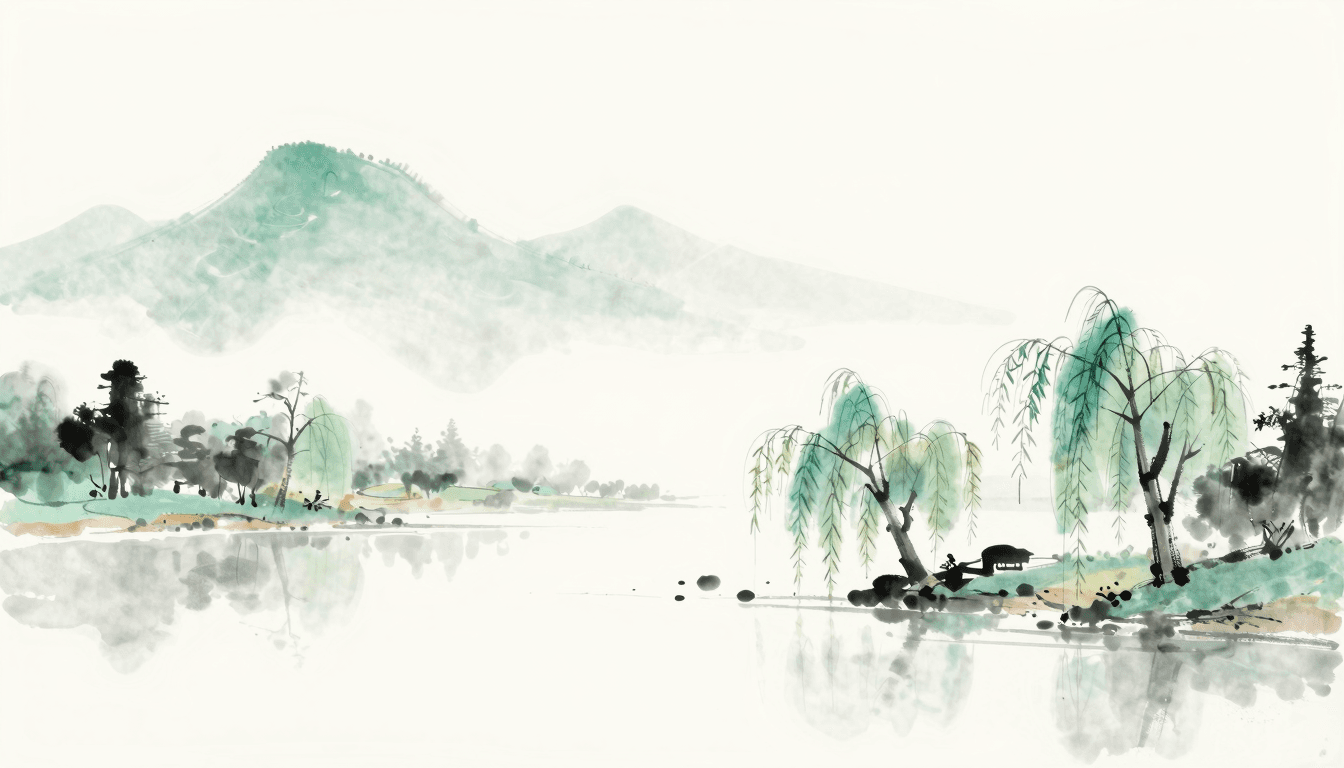
It handles negative space, tonal restraint, and East Asian art direction with more intention than generic “ink style” prompting usually produces.
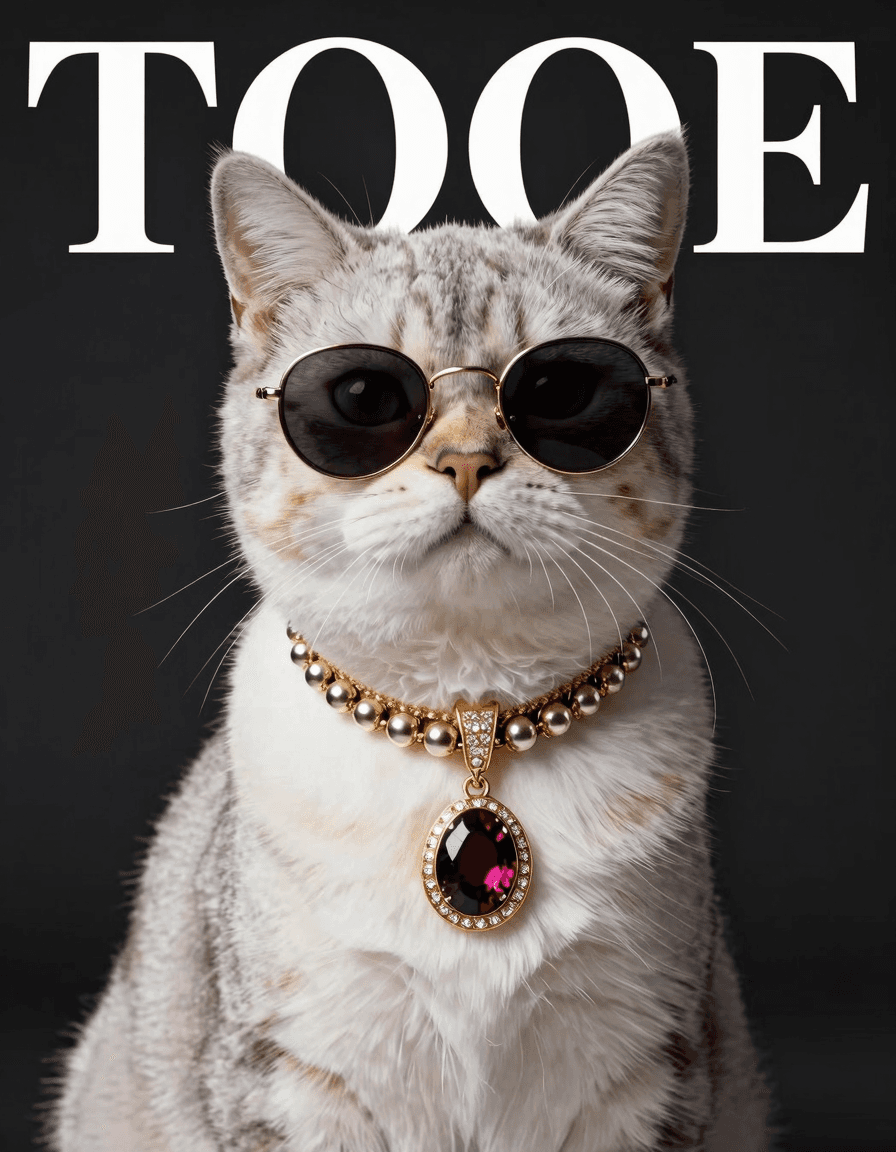
It shows that the model can jump from utilitarian business illustration into stylized editorial image-making without losing finish.
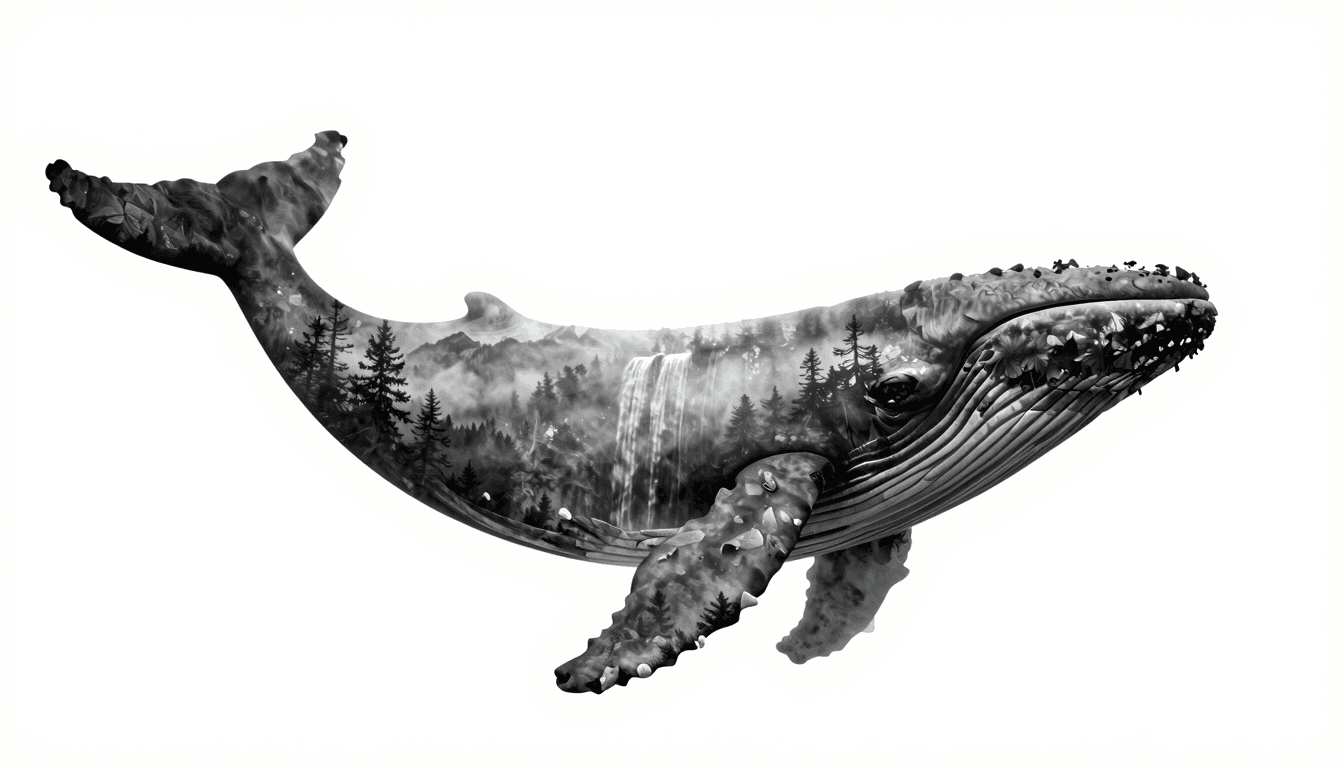
The composite concept stays legible instead of turning into symbolic clutter, which makes it a good proof point for higher-art-direction prompts.
Compare
Controlled prompt comparisons make it easier to see where Z-Image Turbo lands with more confidence.
Minimalist product photo of a hand-held ceramic mug with a handwritten soulmate quote.
Short English copy stays readable and commercially usable on clean product imagery.
This is not a claim about long-form typography. It is a narrower proof point: short English copy on simple product photography is workable enough to survive a real marketing use case.



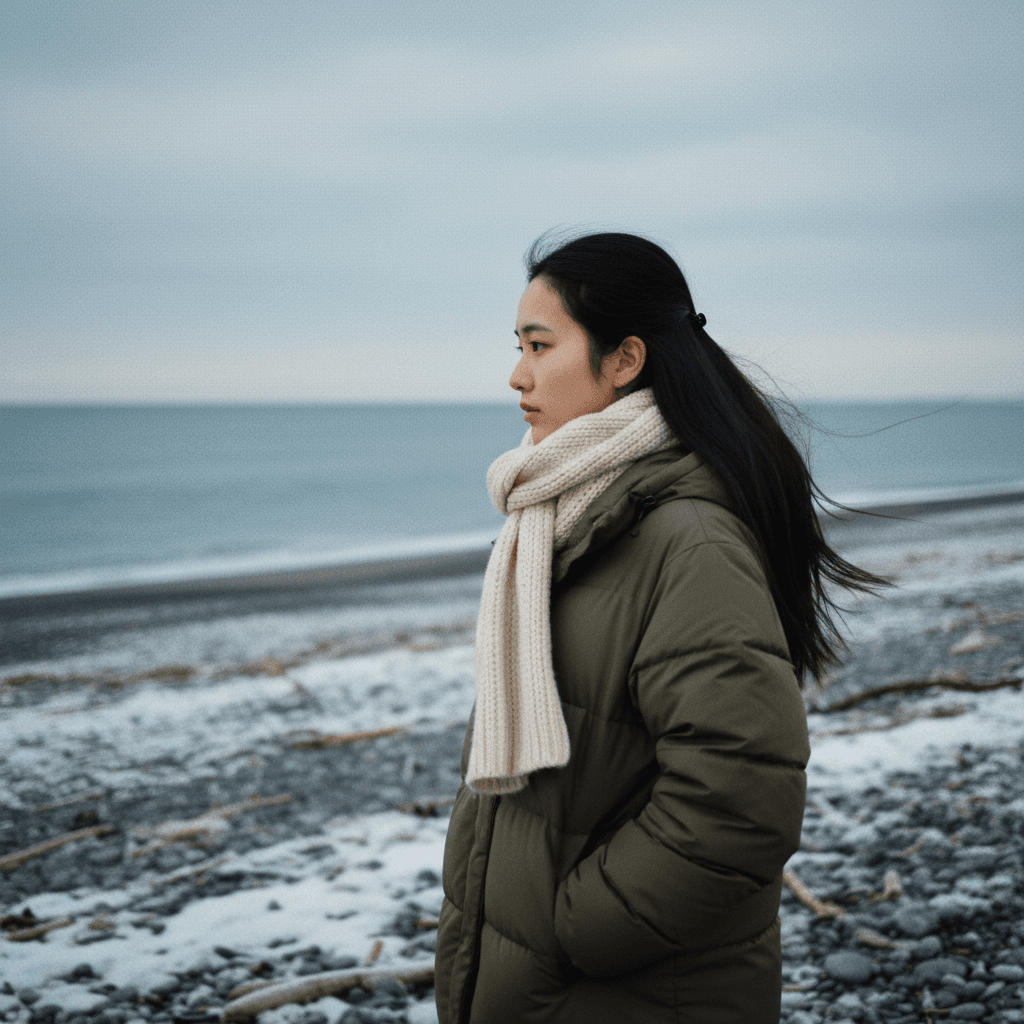
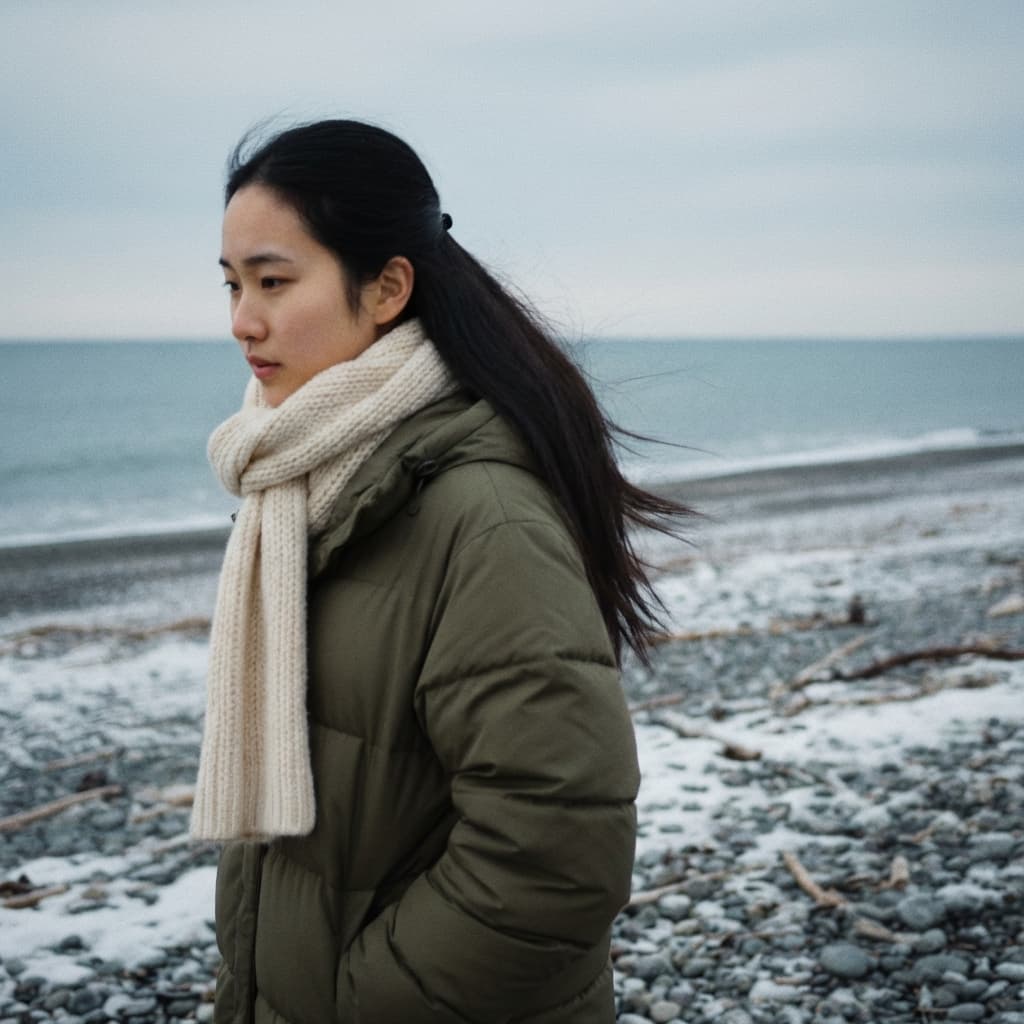
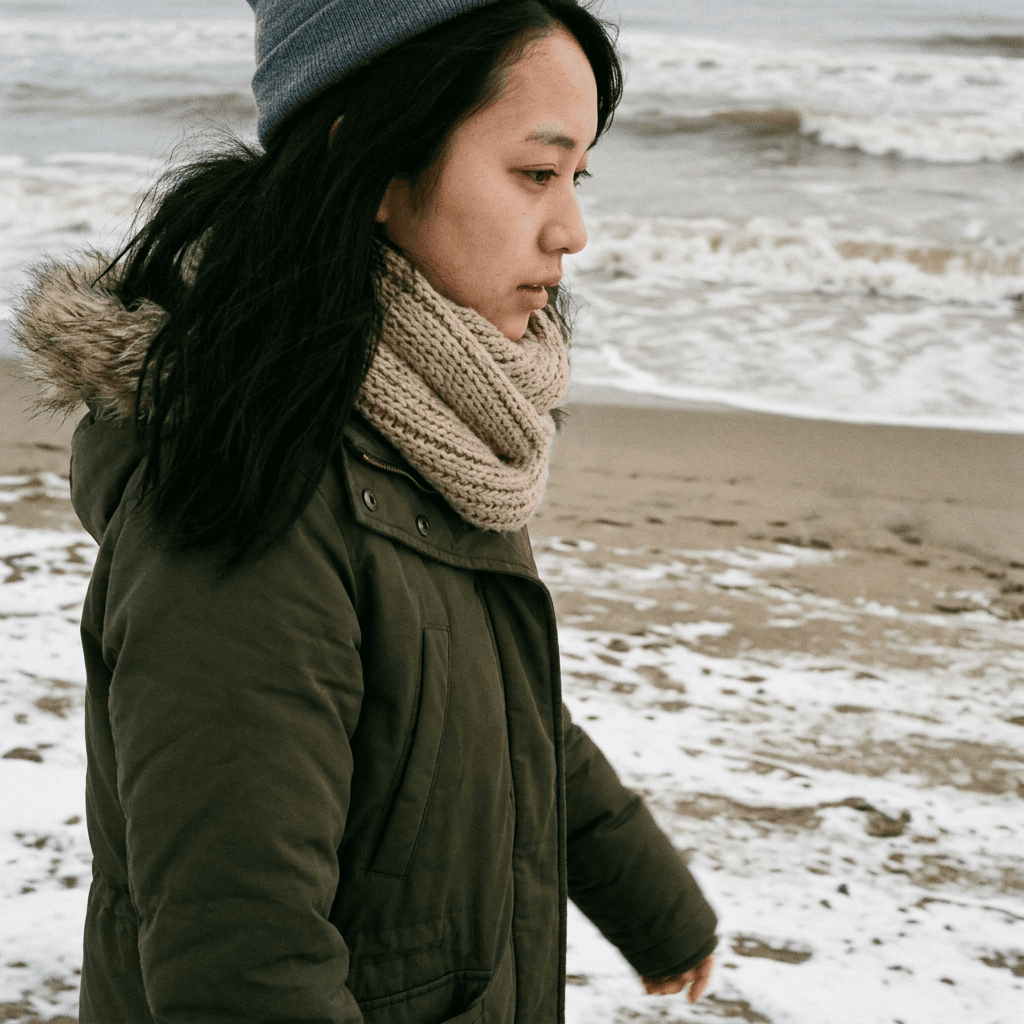
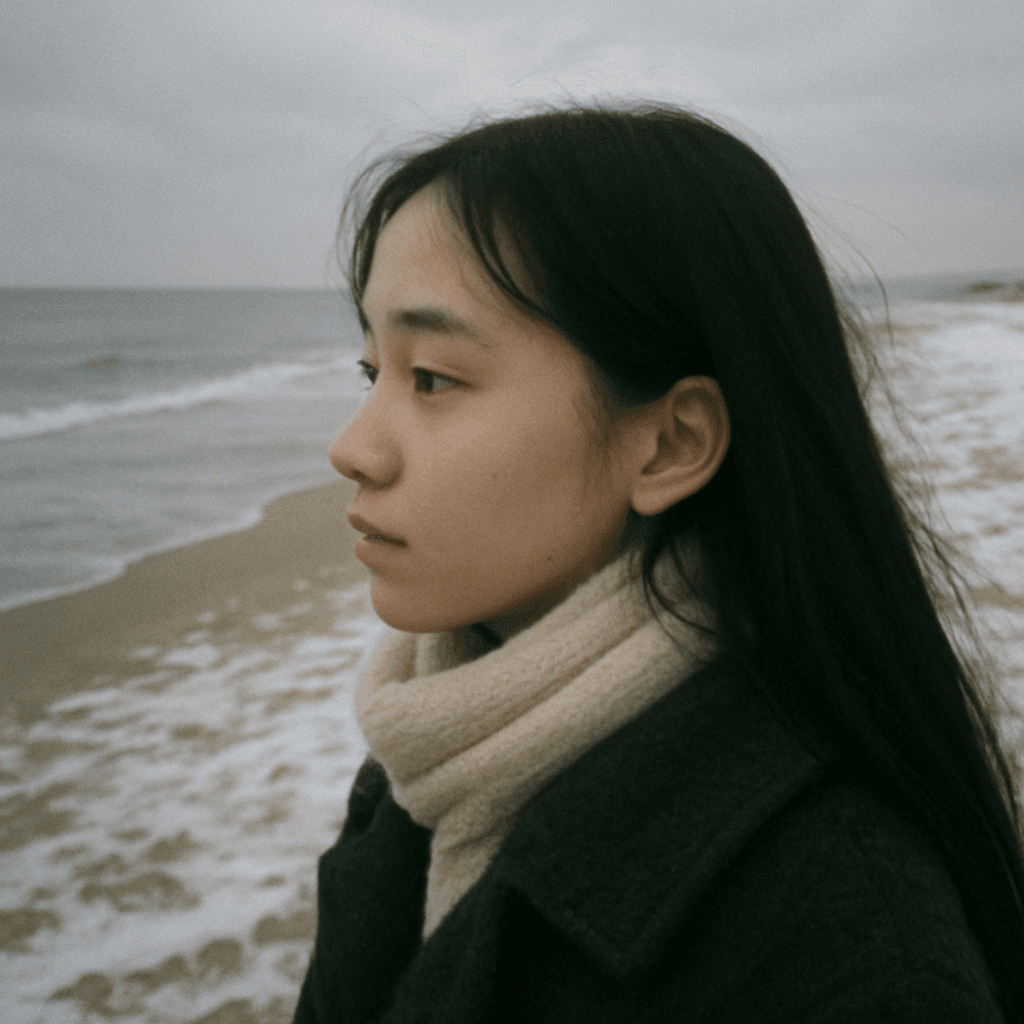
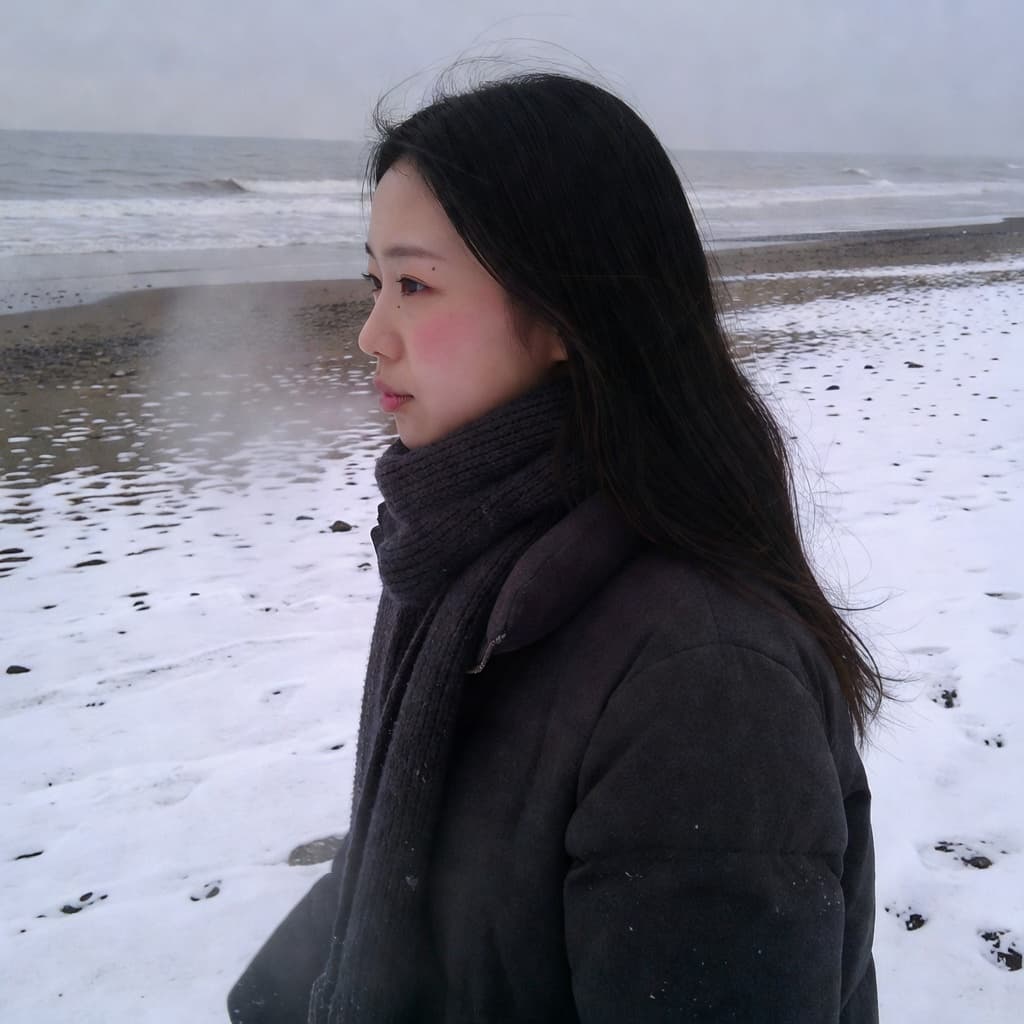
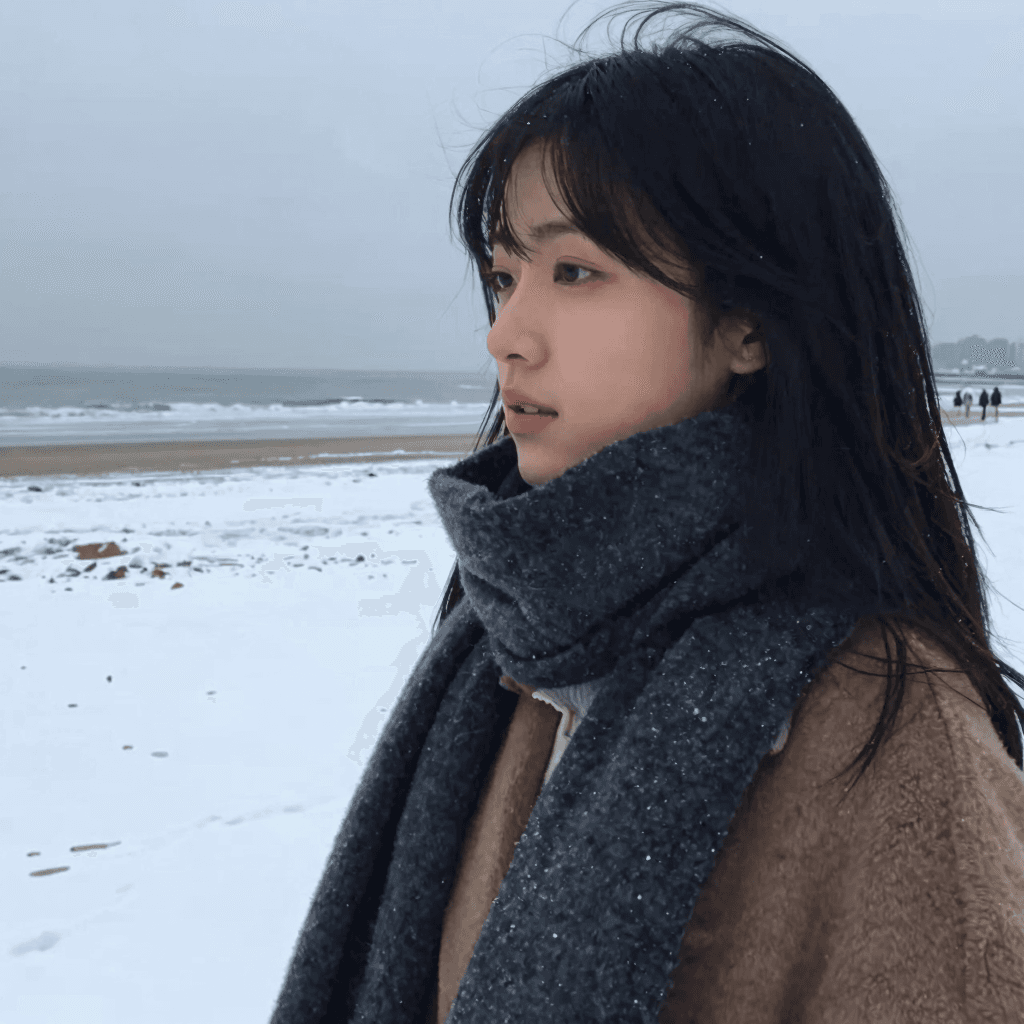
Close-up side-profile portrait of a young woman walking on a cold winter beach.
Casual-photo texture, skin detail, and human realism feel more convincing in the final frame.
The useful signal here is not glamour or stylization. It is whether the frame feels like a believable low-key photo instead of an obviously synthetic portrait.
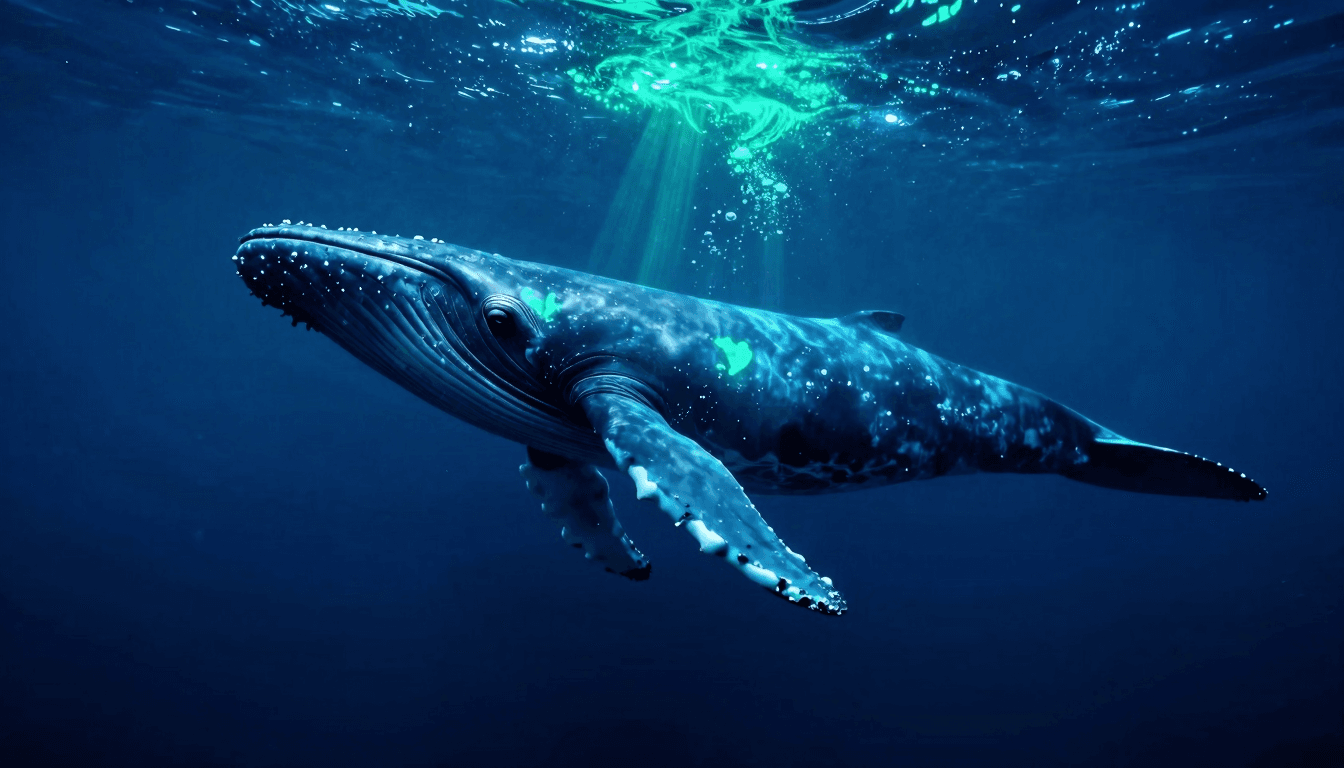
Photoreal blue whale moving through bioluminescent deep-ocean water.
Atmosphere, silhouette control, and cinematic underwater lighting land with stronger impact.
This comparison is especially useful because the prompt is simple enough to isolate visual direction. The difference comes from mood control, lighting, and subject presence rather than prompt complexity.


Compare the family
Use this summary when deciding whether you need maximum control or the fastest production path.
FAQ
Open the canvas, compare models side by side, and keep the strongest version in the same workflow.